
The pump is the most expensive part of your project working underground. The wrong choice means wasted electricity or fuel, less water than you need, or repeated failures. The right choice starts with numbers, not with a brand.
1. Required flow (m³/h)
Work out how much water you need per day: land area, crop and irrigation method, or the consumption of the factory or resort. Divide it by the hours of operation available to get the flow in cubic metres per hour.
Never ask the pump for more than the well can give. The pumping test result is the safe upper limit for flow.
2. Total head (metres)
Total head is not the depth of the well. It is the sum of:
- the water level while pumping (dynamic level), not the resting level
- the height of the delivery point above ground, such as an elevated tank
- friction losses in pipes, elbows and valves
- the pressure needed at the outlet, such as a drip or sprinkler network
3. Well diameter and casing
The casing diameter sets the largest submersible pump that fits (4, 6, 8 inch…). There must be enough space around the pump for water to flow past and cool the motor.
4. Water quality
Sand, salinity and iron affect the choice of materials. Salty or sandy water needs stainless-steel parts and wear-resistant impellers, and the well may need developing before the pump goes in.
5. Power source
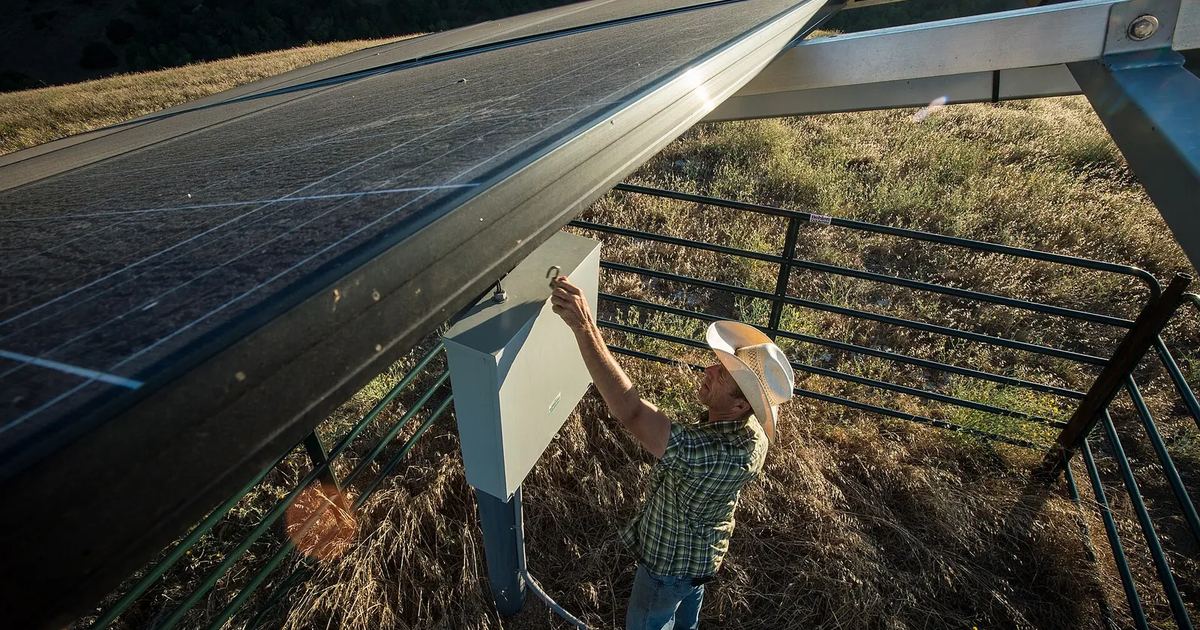
Grid, diesel generator or solar? The power source decides the motor type and the controller. With solar, the pump, the drive and the panels are sized together as one system.
Before you buy
- Ask for the pump curve and check that your duty point (flow and head) sits in the high-efficiency zone
- Ask about local spare parts and service
- Install a control panel that protects against dry running and voltage swings